Cost of Living in Mauritius: How Much Do You Need to Live Comfortably?
Published on 14 July 2026 · 5 min read
Moving to Mauritius is the stuff of dreams: turquoise lagoons, a tropical climate and attractive taxation are compelling arguments. Behind the postcard image, however, managing a monthly budget requires careful preparation. The cost of living has evolved, and understanding the gap between the local lifestyle and imported habits is essential for a successful relocation. This guide helps you see things clearly by providing an objective analysis of the monthly budget to plan for, compared with life in France.
How Much Does Life in Mauritius Really Cost: The Answer in One Figure
For a couple without children living comfortably in Grand Baie, in the North of Mauritius, the average monthly budget generally sits between €2,500 and €3,500.
This figure covers renting a modern villa, owning a car, and enjoying outings, the beach and a few leisure activities. That said, some nuance is needed: this amount can vary radically depending on your lifestyle. If you adopt "French-style" consumption habits (imported products, evenings out in luxury hotels), your budget will climb quickly. If you live the Mauritian way, buying local, it is possible to live comfortably on €2,000 per month.
Budget for Mauritius: 3 Typical Profiles Broken Down
Your monthly budget in Mauritius depends above all on your family situation. Here are three estimates to help you visualise your expenses across different profiles.
Working single person (monthly budget)
A single person looking for a comfortable apartment close to the main activity hubs (Grand Baie or Moka) should plan for around €1,500 to €1,800 depending on their lifestyle. This budget includes a moderate rent, utility bills, mixed food shopping (local markets and supermarkets) and a leisure budget to enjoy the island's lively social scene.
Couple without children
For a couple without children, the biggest expense item in Mauritius remains housing. With a budget of €2,500 to €3,500, you can afford quality accommodation, a car to explore the island freely and an active social life, including restaurant outings and water sports.
Family with two children in a French school
This is the most expensive profile in Mauritius. Between the rent for a villa with a garden, tuition fees (which can reach €600 to €900 per child/month depending on the school) and everyday needs, plan for a minimum budget of €4,500 to €5,500. Education accounts for a significant share of the monthly budget here, and it is the price to pay if you want your children to follow the French curriculum.

Essential Expense Items in Mauritius
The structure of your expenses in Mauritius differs from Europe's. Among the unavoidable expenses to consider, you should factor in:
- Housing: rent is often the number 1 expense on the island. Prices vary depending on proximity to the beach and the type of residence (gated or not / swimming pool).
- Food: eating local (seasonal fruit and vegetables) is very affordable in Mauritius. On the other hand, imported products (cheese, wine, processed foods) cost more than in France.
- French schooling: it represents a high fixed cost. The quality is excellent, but it weighs on your monthly budget.
- Transport: fuel is relatively affordable, but buying a vehicle in Mauritius is expensive because of import taxes.
- Healthcare and energy: private health insurance is essential and guarantees access to European-standard care in private clinics. Electricity, which relies heavily on fossil fuels, can be costly if you run the air conditioning continuously.
Cost of Living in Mauritius vs France: Where Do You Save, Where Do You Pay More?
Comparing Mauritius to France in overall terms is misleading, as some areas balance each other out. Here is a summary to better understand the differences:
| Expense item | Trend in Mauritius | Compared with France | Observation |
|
|---|---|---|---|---|
| Taxes | Very advantageous | High rates | Very low overall taxation. |
|
| Leisure and dining out | Inexpensive | More expensive | Advantageous if you consume local. |
|
| Imported products | More expensive | Standard prices | High logistics costs. |
|
| Cars and electronics | More expensive | Standard prices | Significant import taxes. |
|
| French schooling | More expensive | Free (state schools) | A substantial investment. |
|
In short, in Mauritius you save massively on taxes and everyday services, but you pay a premium on anything that has to be shipped to the island by container.
Currency in Mauritius and Its Impact on Your Budget
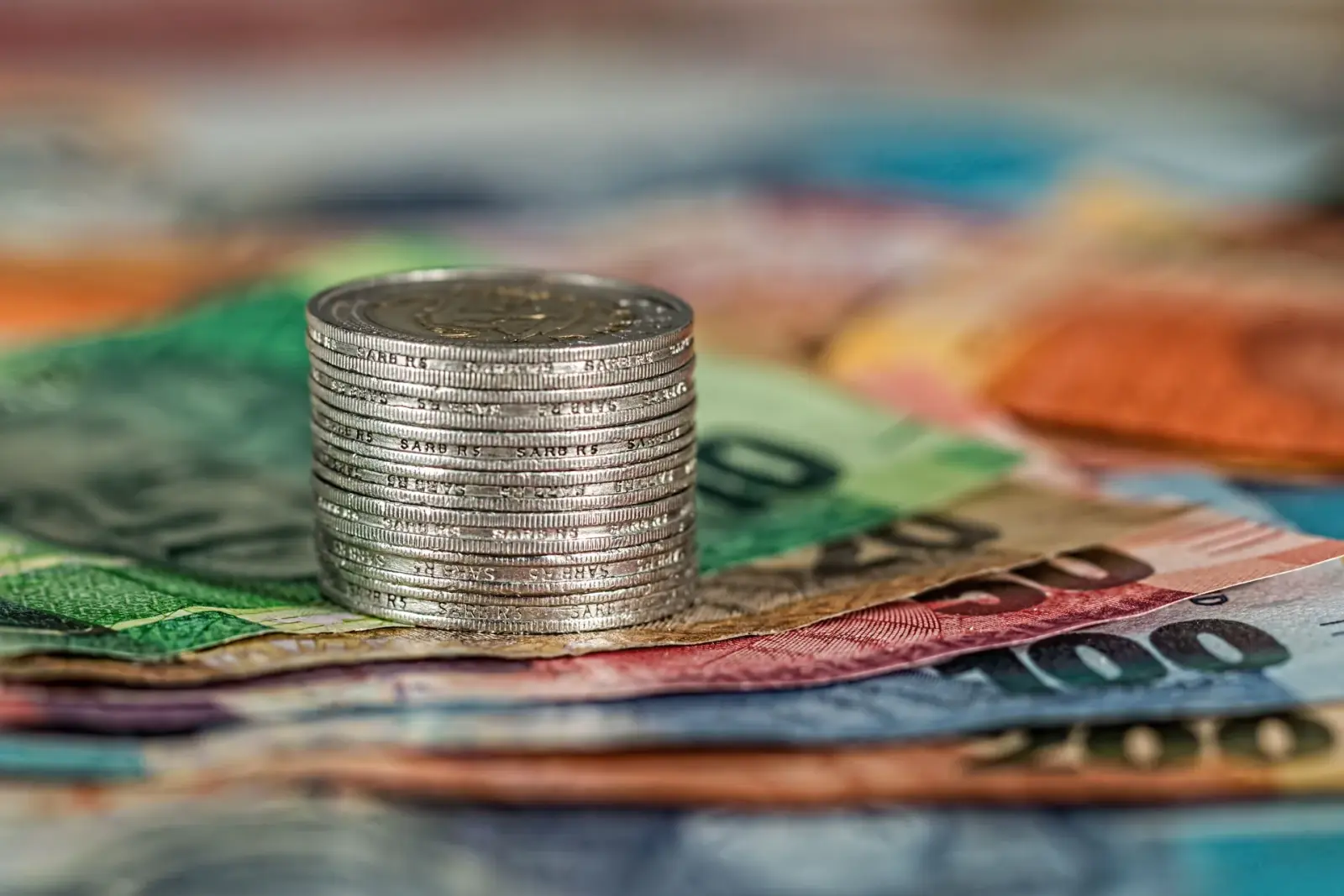
The currency of Mauritius is the Mauritian Rupee (MUR). To give you an idea of the cost of living, note that €1 is generally worth between 50 and 55 MUR. Although this exchange rate fluctuates, tracking it is crucial for planning your budget. For expats, using multi-currency accounts (such as Wise or Revolut) is practically essential to minimise bank transfer fees.
Be careful: do not systematically convert your expenses into euros. Manage your budget in rupees to better understand the reality of the local market and avoid unpleasant surprises caused by exchange rate volatility.
Cost of Living by Region
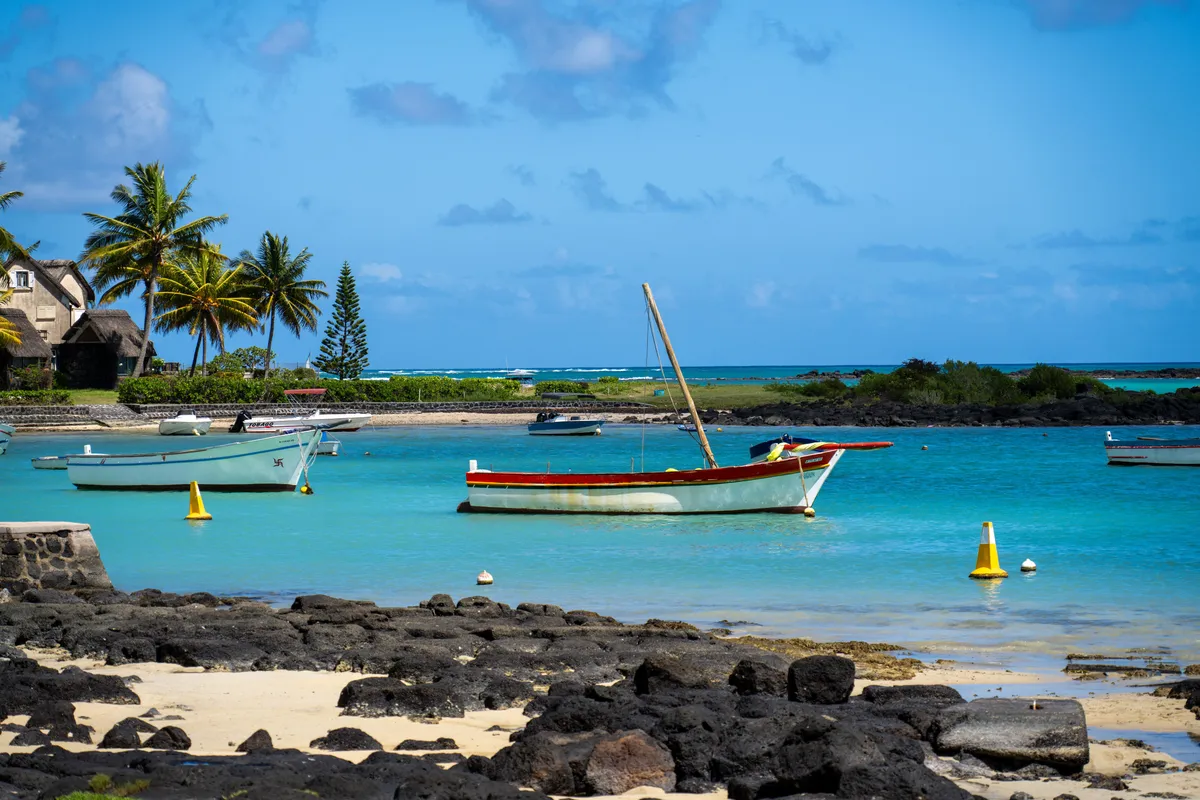
Depending on where you choose to settle, the impact on your budget and standard of living can be significant:
- Grand Baie (North): a very touristy area of Mauritius, where housing prices are high but the range of services is extensive (modern shopping centres and a lively nightlife).
- Tamarin / Black River (West): the West of Mauritius offers an exceptional natural setting between sea and mountains. Very popular with expats for its vibrancy, but it calls for a substantial budget due to strong rental demand.
- Flic en Flac: located in the West of Mauritius, the town offers an excellent, often more affordable compromise, with immediate access to the beach and a more authentic local life while remaining well connected.
- Central plateau (Moka, Floréal): this is a favourite area for families living in Mauritius who want a slightly cooler climate and immediate proximity to the best international schools. Prices vary enormously depending on the type of property.
- Trou-aux-Biches is a charming seaside village. Rents there are generally more moderate than in Grand Baie, while offering a peaceful and very pleasant living environment day to day.
How much money do you need to live comfortably in Mauritius?
For a couple wishing to live comfortably in Mauritius, aim for between €2,500 and €3,500 per month for a quality of life without sacrifices, including activities, leisure and regular outings.
What about the budget for retirees in Mauritius?
Beyond day-to-day living costs, it is essential to anticipate the residence permit requirements, which call for proof of regular income ($2,000 per month). Once settled, with a budget of €2,000 per month, a retiree can live comfortably by favouring less "touristy" areas and local consumption. Naturally, this budget can be adjusted to match the lifestyle and level of comfort you are looking for.
Is petrol expensive in Mauritius?
Fuel prices (petrol and diesel) are set by the government and harmonised across the whole island. You will pay the same rate at any petrol station. Currently, petrol (Mogas) costs 64.25 MUR per litre and diesel (Gas Oil) 71.25 MUR per litre. This remains lower overall than prices in France, which offsets the higher initial outlay when buying a vehicle.
Do you need a vehicle to get around Mauritius?
Having a vehicle gives you total freedom, essential for exploring the island off the beaten track and getting around independently. However, the Mauritian bus network is very extensive and extremely cheap. If you live in an urban area or close to the main roads, it is a very attractive transport alternative to reduce your monthly budget.
How much for a couple without children?
Plan for around €2,500 to €3,500 to maintain a standard of living equivalent to an upper-middle-class lifestyle in France.