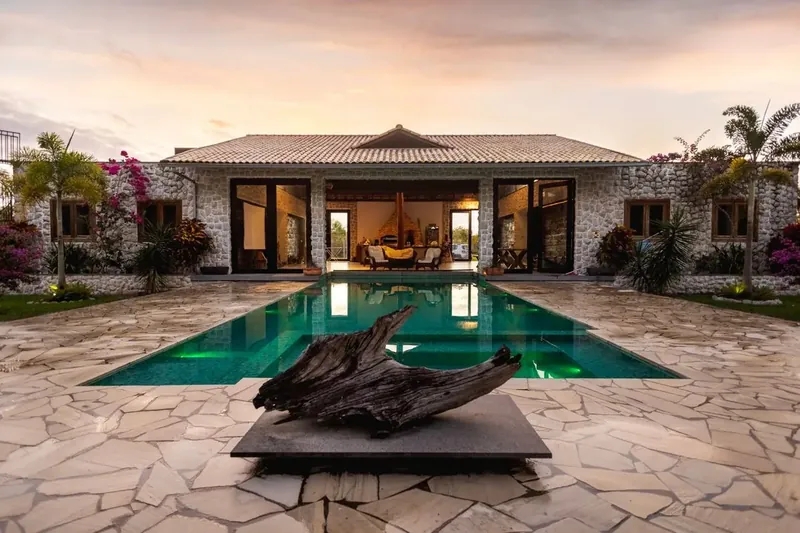
Your Residence Permit Through
Real Estate Acquisition In Mauritius
Acquiring a property in approved programmes in Mauritius allows foreign investors to obtain a Residence Permit.
This attractive scheme offers the possibility to live in a stable, secure and tax-friendly environment.

Conditions for obtaining the Residence Permit:
- The buyer must acquire a property in a programme approved by the Economic Development Board (EDB).
- The minimum required investment is USD 375,000.
- The property must be located in an authorised development (IRS, RES, PDS, R+2 or Smart City).
- The permit is valid as long as the property remains in the buyer's possession.
- The permit can also cover the spouse and children under 24 as dependants.
This permit allows residency in Mauritius with no minimum stay requirement.
The Different Eligible Real Estate Schemes That
Allow Foreigners To Acquire Property
In Full Ownership:
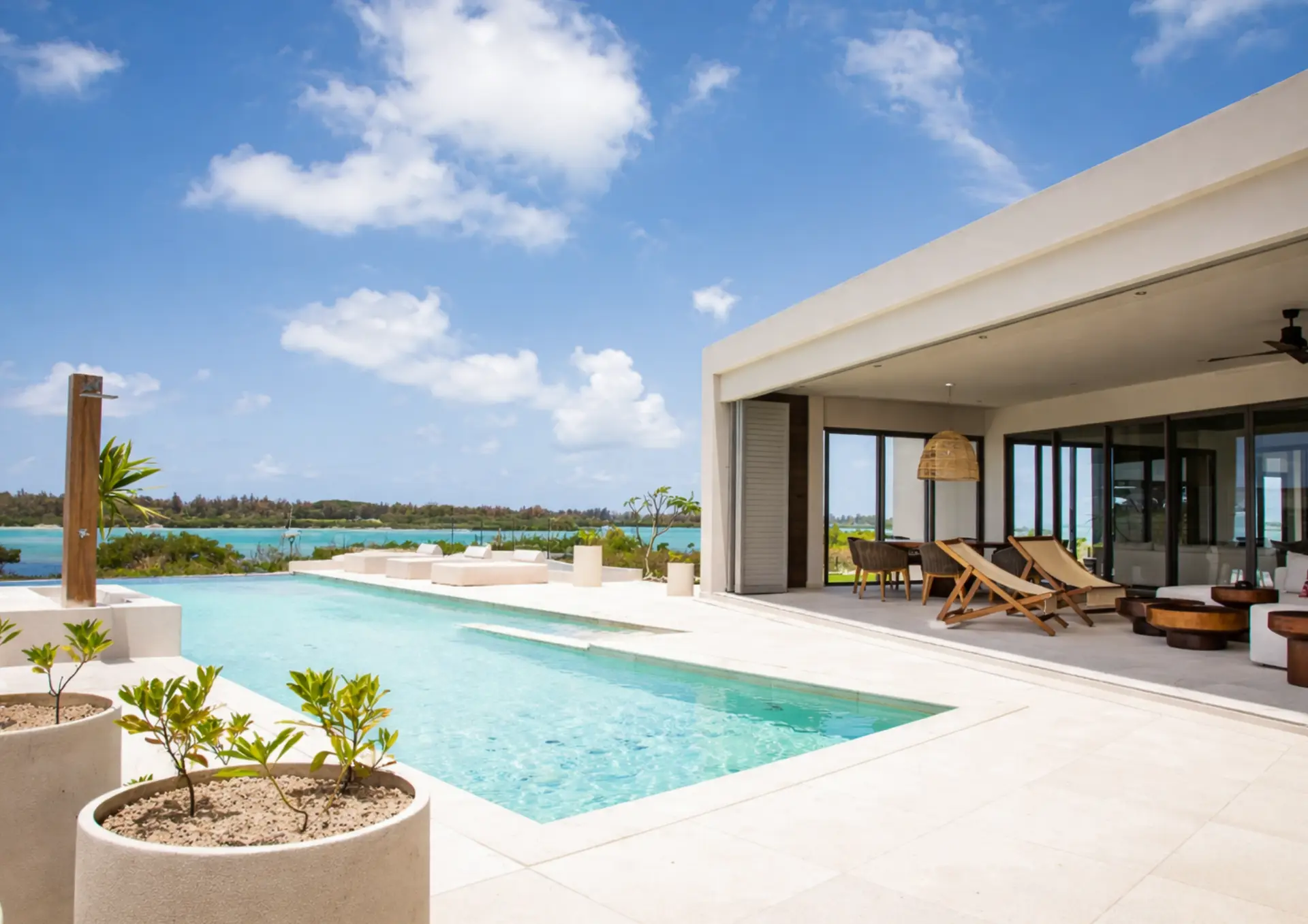
IRS – Integrated Resort Scheme:
The IRS (Integrated Resort Scheme) applies to real estate projects developed on large estates.
These programmes typically include:
- VILLAS
- HOTEL SERVICES
- GOLF, SPA, MARINA OR OTHER HIGH-END AMENITIES
IRS was historically the first scheme allowing foreigners to buy freehold property in Mauritius.
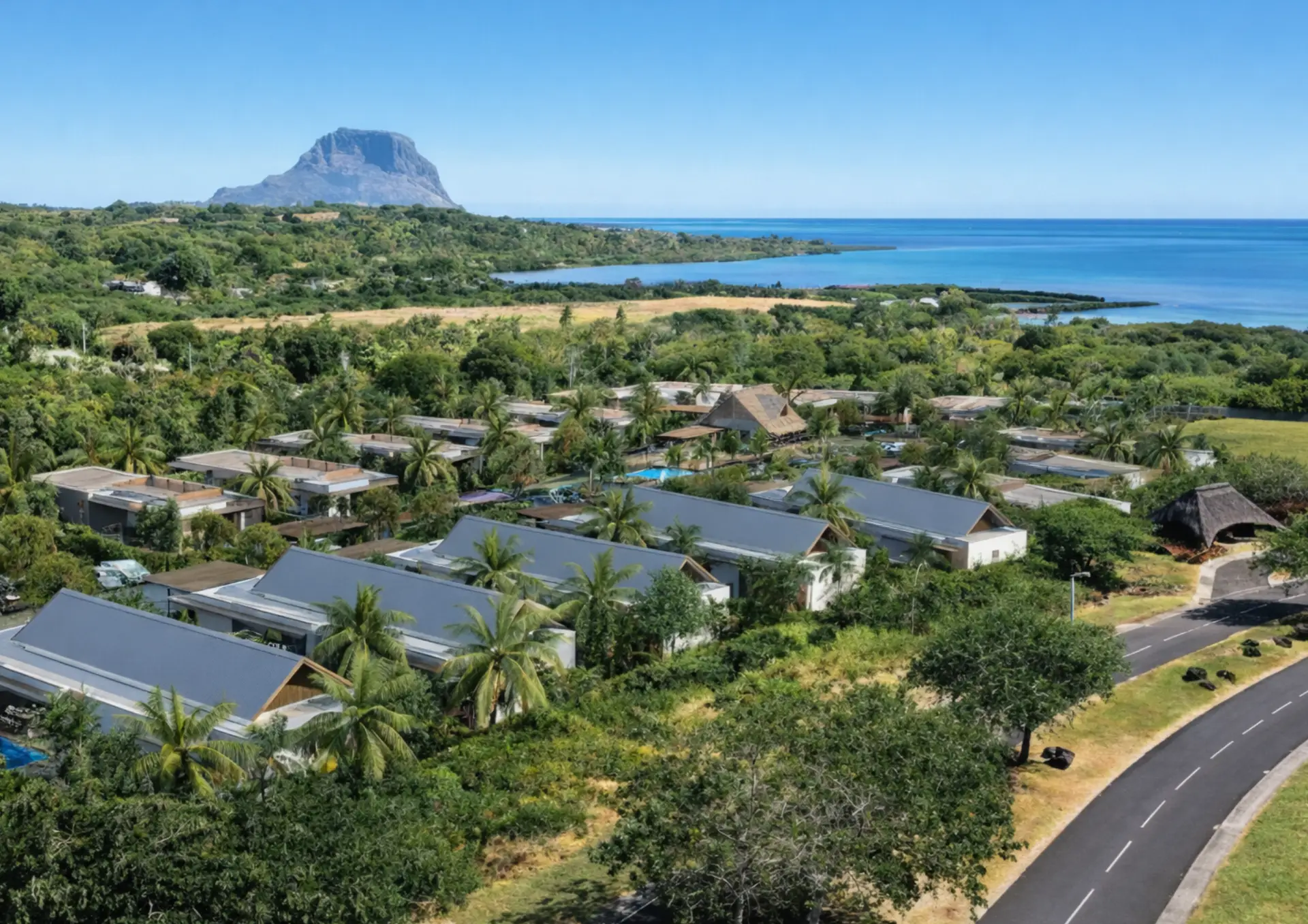
RES – Real Estate Scheme:
The RES (Real Estate Scheme) was created to allow more flexible and smaller-scale projects than IRS.
These programmes typically include:
- VILLAS
- APARTMENTS
- INTEGRATED RESIDENTIAL PROJECTS
RES made real estate investment accessible to a wider range of foreign buyers.
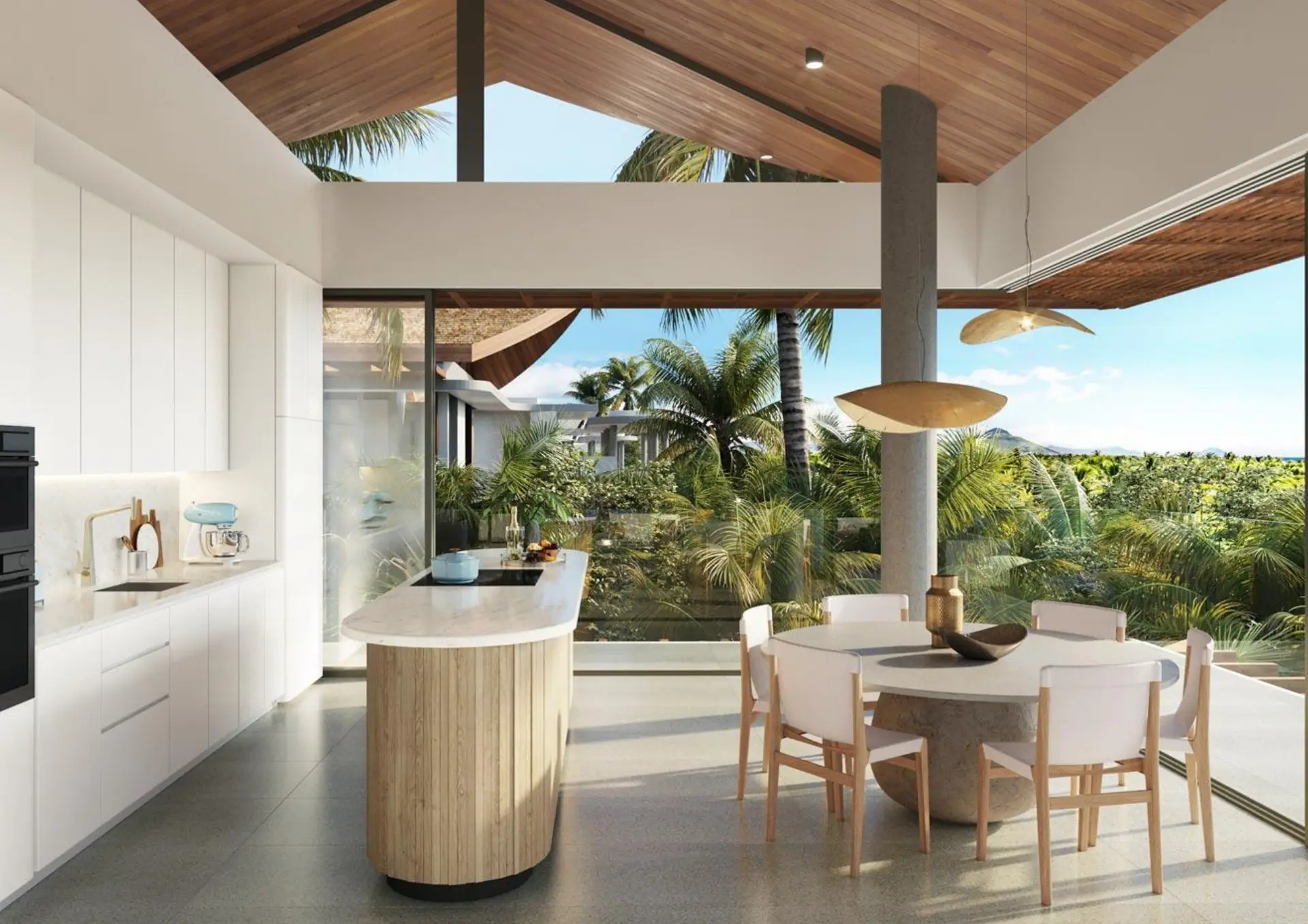
PDS – Property Development Scheme:
The PDS (Property Development Scheme) replaced the IRS and RES schemes to harmonise the legal framework.
These programmes typically include:
- VILLAS, APARTMENTS AND PENTHOUSES
- GATED RESIDENCES
- SHARED AMENITIES (CLUBHOUSE, GYM, SECURITY, ETC.)
Today, most new projects aimed at foreigners are developed under the PDS scheme.
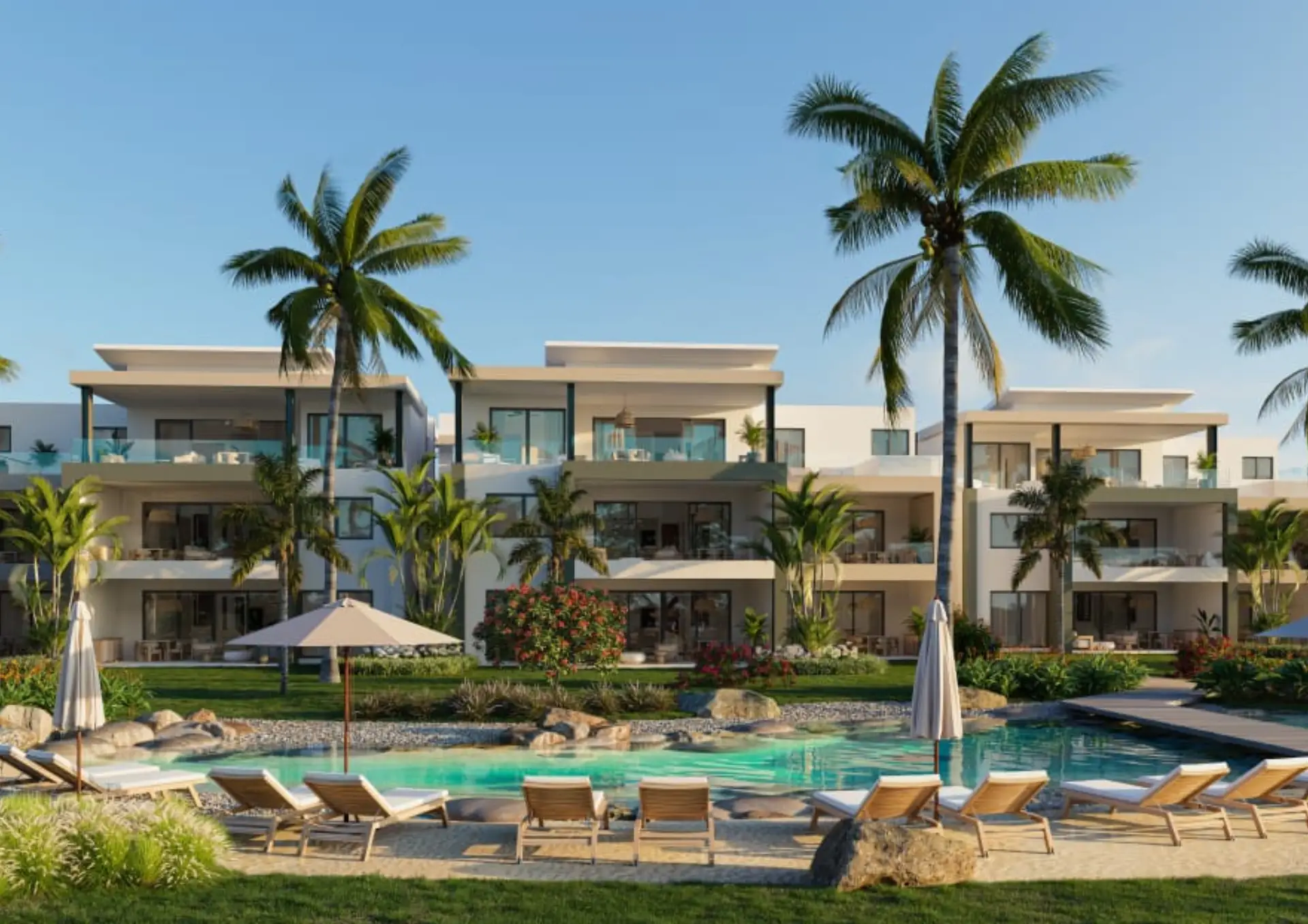
R+2 – Apartment Residence:
The R+2 scheme lets foreigners purchase an apartment located in a building with at least a ground floor + two upper floors.
Main conditions:
- PURCHASE OF AN APARTMENT OR PENTHOUSE
- MINIMUM PRICE OF USD 375,000 TO OBTAIN THE RESIDENCE PERMIT.
An ideal solution to access a Mauritian residence permit in a modern, structured setting.
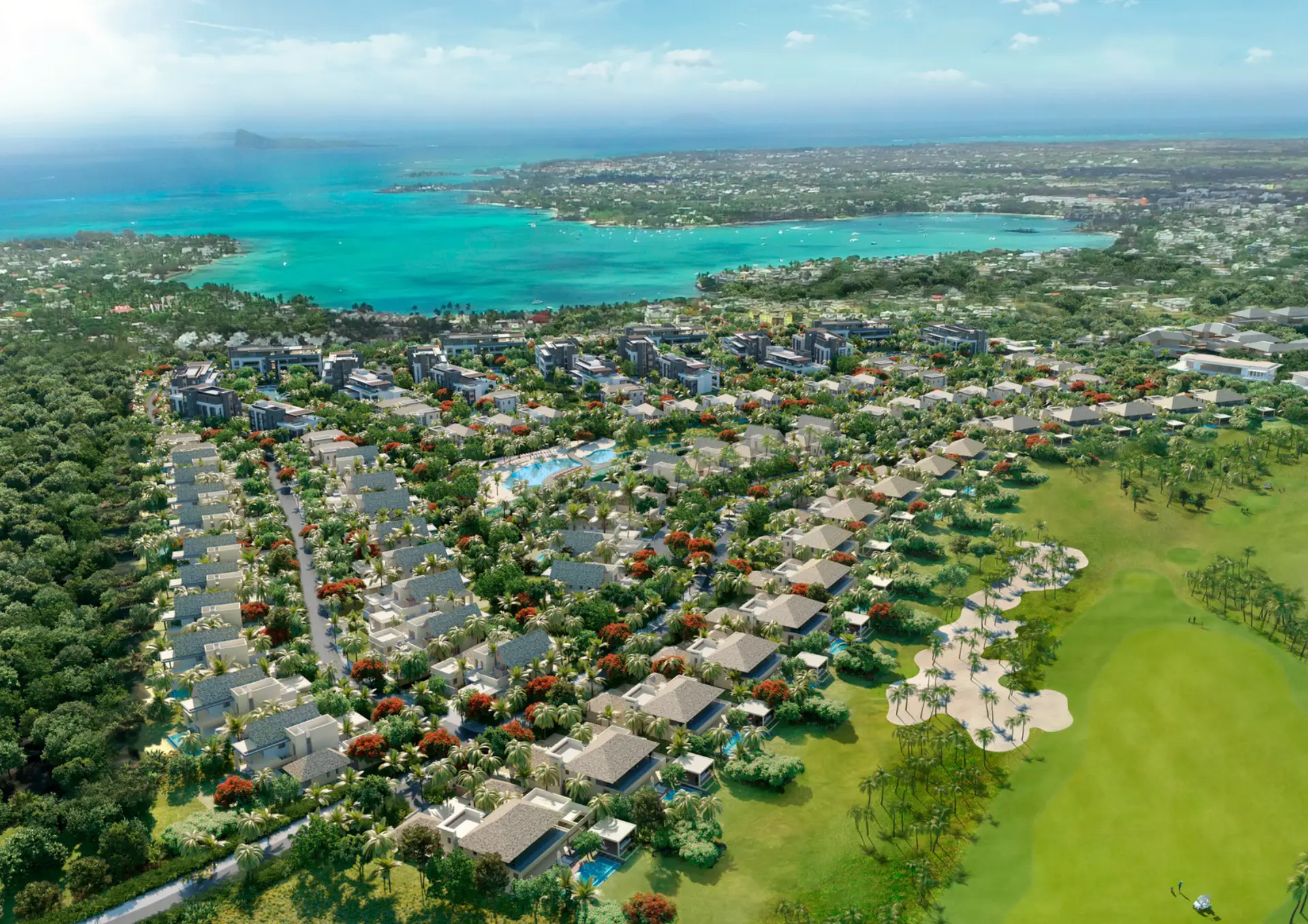
Smart City Scheme:
The Smart City Scheme is part of a modern vision of Mauritian urban development.
These programmes typically include:
- HOUSING
- OFFICE SPACES
- RETAIL
- SCHOOLS
- GREEN SPACES
- MODERN TECHNOLOGICAL INFRASTRUCTURE
Acquiring a residential property in a Smart City can also lead to a Residence Permit, subject to meeting the investment threshold.
Investing in Mauritian real estate is a trend that shows no sign of slowing down. A welcoming land with many strengths, Mauritius exerts a growing appeal on international investors, drawn by its exceptional lifestyle, political stability and tax environment. But beware: the Mauritian market is an ecosystem of its own, with its codes, its specific zones and its own legal framework.
Whether you are looking for a primary residence or a rental investment, the reality on the ground often goes beyond what you read in tourist brochures. Between choosing the right area, the rules for foreigners and the specifics of the permits, the pitfalls are real for anyone without proper support. This guide was designed to give you the real keys to understanding, without detours, so you can carry out your property project with full knowledge of the facts.
Investing in Mauritius: understanding the rental potential
Investing in Mauritius is not about a one-size-fits-all formula, but about matching the property you choose to local or international demand. Rental appeal depends on multiple factors that are crucial to analyse and understand before any investment decision.
The first factor is geographic: the North (Grand Baie) and the West (Tamarin, Black River) enjoy strong tourist and residential momentum, while the East is more attractive for its calm and unspoilt landscapes.
The second is seasonality. It plays a key role: peaks in tourist numbers boost short-term rentals, while expatriates look for stable, long-term properties.
The third relates to rental yield. Rental investment in Mauritius requires a clear distinction between:
- Seasonal rentals, which deliver a higher gross return but require active management (concierge services, maintenance, variable occupancy rates).
- Long-term rentals, which provide stable income and lower management costs, but more moderate returns. Licensed agencies generally report growing demand for modern, well-located and well-equipped properties, from young professionals and retirees settling on the island alike.
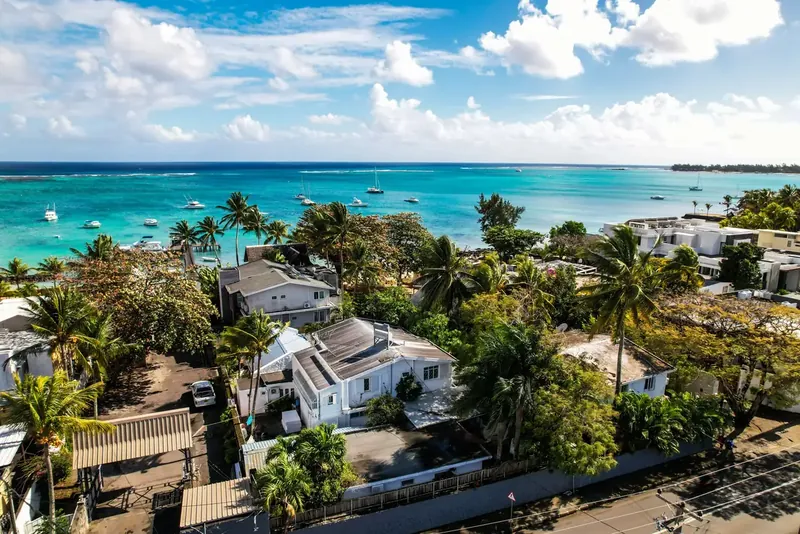
Working with a real estate agency in Mauritius: what it changes
In a foreign market, support is often the deciding factor between a successful transaction and a disappointment. Working with a recognised real estate agency in Mauritius is not limited to finding properties: it is also a guarantee of peace of mind.
First, the agency secures the legal framework. Mauritian property law, while solid, has specific features linked to acquisition permits (PDS, IRS, G+2). A professional will check the validity of the title deed and any charges attached to the property.
Second, you gain access to a broader market, including "off-market" opportunities that are never advertised. These exclusive properties are often highly sought after. The agency also acts as a mediator in negotiations, a stage where cultural knowledge of the local market is an undeniable asset.
Finally, the thorough review of the property's history and actual condition is a technical step where your agent's expertise becomes essential to avoid hidden defects.
By delegating these aspects, you make sure you meet the legal requirements while optimising your time and your budget.
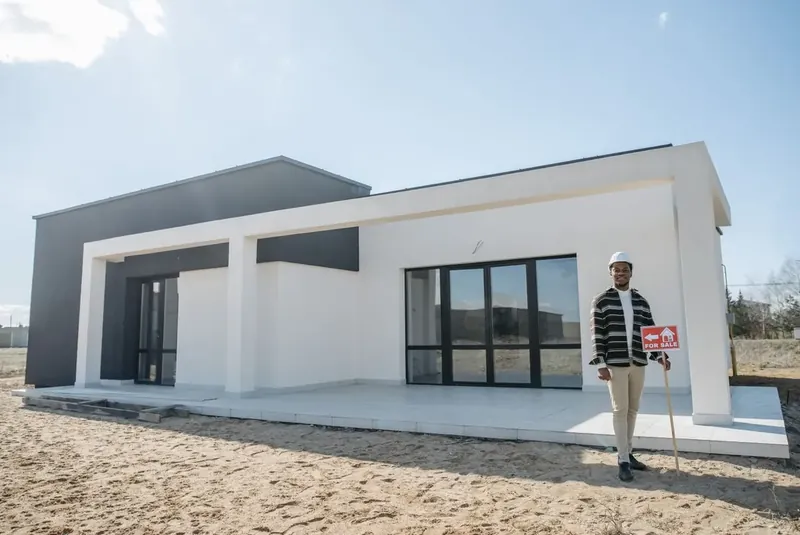
Buying in Mauritius: schemes open to foreigners
In Mauritius, property acquisition by foreigners is governed by strict rules set by the government. Various schemes encourage investment by non-residents. Today, purchases are mainly concentrated in specific programmes.
PDS in Mauritius: today's standard
The Property Development Scheme (PDS) is the flagship scheme. It allows foreigners to acquire a high-end villa, apartment or penthouse. These projects often include leisure facilities, security and shared green spaces, guaranteeing that the assets hold their value over time.
The former IRS and RES schemes
The Integrated Resort Scheme (IRS) and the Real Estate Scheme (RES) were the historic benchmark programmes. Although they are no longer marketed under these names, many properties on the market retain their legal characteristics and offer attractive opportunities. These schemes paved the way for the professionalisation of the sector.
For more details on the eligibility conditions, see our dedicated Residence Permit through Property Acquisition page.
Renting out a property in Mauritius: what you need to know
As a landlord, you need to anticipate the operational and tax constraints specific to Mauritius, as well as the basic expectations of today's tenants. The Mauritian rental market favours "ready to live in" properties with tasteful decoration, air conditioning and a high-performance internet connection. When letting, it is essential to formalise every tenancy with a clear written lease, precisely defining each party's obligations, stating the amount of the security deposit and the termination conditions. For less stressful management and total peace of mind, this can be delegated to a real estate agency, which will be able to assist you with renting out your property.
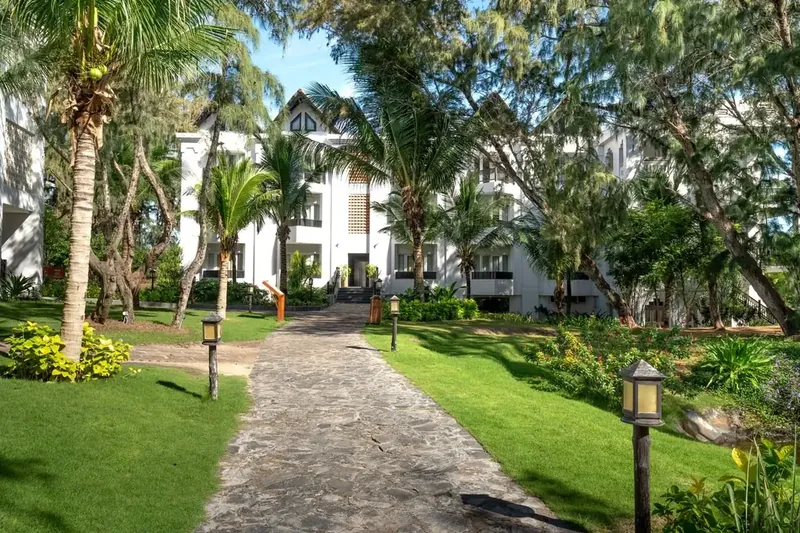
Luxury real estate in Mauritius: the high-end segment
Luxury in Mauritius is defined by location and exclusivity. Beachfront villas, properties within prestigious Golf Estates and "signature" developments designed by renowned architects form the core of this segment. To succeed in a high-end investment, it is essential to favour enduring addresses. The market shows notable resilience, driven by a demanding international clientele. To guarantee the fair value of your acquisition, you need to call on the expertise of local real estate agencies. Thanks to their in-depth knowledge of the market, they alone can carry out a precise comparative analysis of recent transactions in the targeted area, allowing you to make an offer with full knowledge of the facts.
Letting in Mauritius: areas, leases and landlord taxation
Renting out your property in Mauritius is common practice, but it follows specific rules.
- For the annual lease, stability is the watchword, with tenants who are often expatriates looking to be close to international schools.
- The seasonal lease, on the other hand, requires managing tourist flows.
On the tax side, rental income is taxed at an advantageous rate of 15% in Mauritius. It is strongly advisable to use a real estate agency for rental management: it will take care of the careful selection of tenants and ensure compliance with your lease and the standards in force, sparing you administrative pitfalls.
How does expat.mu support your property project?
Our mission at expat.mu is to simplify your buying or investment journey. We act as a trusted third party giving you access to a select network of referenced real estate agencies and developers. Recognised for their professionalism and the quality of their support, these partners are your go-to contacts for carrying out your project with complete peace of mind. By connecting you with these leading players, expat.mu lets you benefit from proven local expertise, from the legal audit of your file to support with your residence permit applications.